

Technical Implementation and Business Scenarios of Contactless Face Recognition and Palm Vein Recognition
With the rapid development of artificial intelligence, computer vision, and biometric recognition technologies, traditional identity verification methods are gradually being replaced by more intelligent and secure biometric systems. Among the various biometric recognition technologies, contactless face recognition and palm vein recognition are becoming increasingly popular due to their efficiency, convenience, and high security. This article will explore the implementation principles of contactless face recognition and palm vein recognition, and discuss their business applications in real-world scenarios, including face recognition cameras and face recognition barriers.
Palm Vein Recognition Technology: Principles of Implementation
Palm vein recognition is a biometric authentication method that uses the unique pattern of veins inside a person's palm to verify their identity. Due to the uniqueness, non-reproducibility, and difficulty of forgery of palm vein patterns, this technology offers extremely high security.
The implementation of palm vein recognition generally follows these steps:
Infrared Scanning: The palm vein recognition system uses infrared light to scan the palm and capture the vein patterns inside the hand. Since the veins absorb infrared light due to the iron content in blood, the vein image becomes clearer when scanned with infrared light.
Feature Extraction and Matching: The system processes the captured image to extract the features of the palm vein pattern, creating a vein feature template. This template is then compared with the ones stored in the database to verify the identity.
Identity Verification: The system performs a match between the extracted features and the stored templates, determining if the person is authorized.
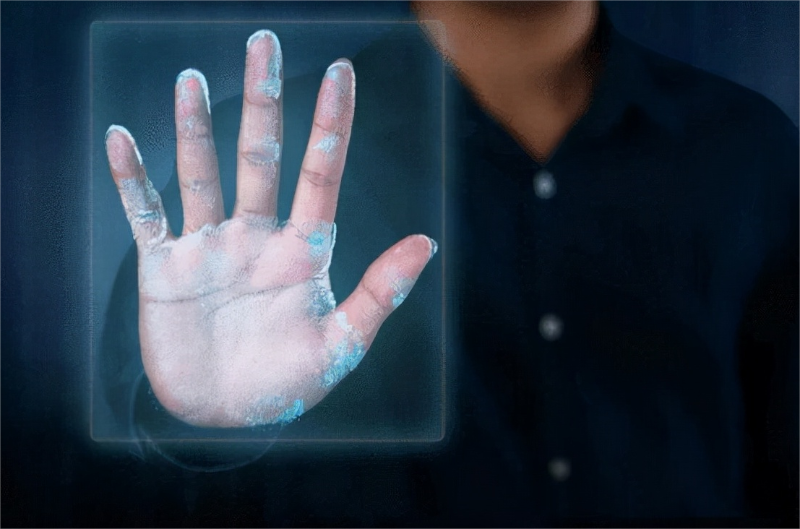
The primary advantage of palm vein recognition is its high security, as it is extremely difficult to spoof or fake. Moreover, it is less affected by environmental factors (such as lighting) compared to face recognition, making it a more adaptable and reliable method.
Application Scenarios
Contactless Face Recognition and Face Recognition Cameras
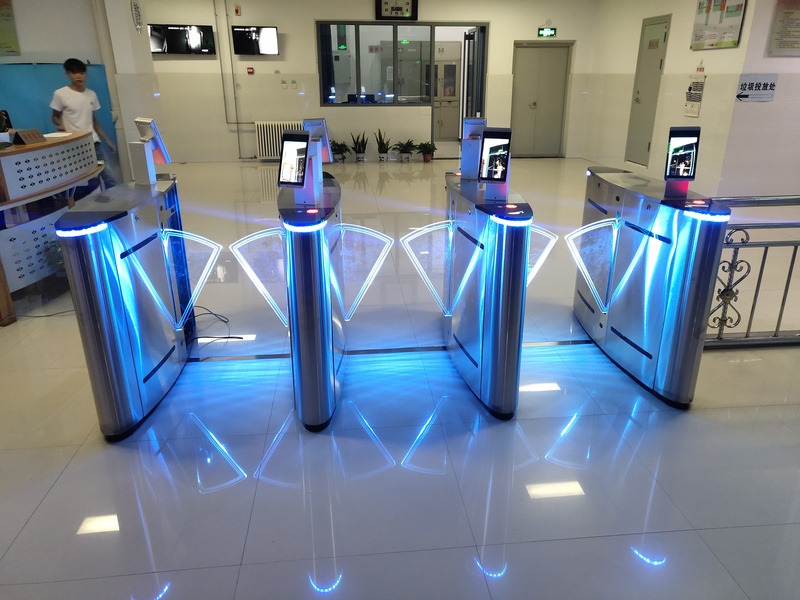
In public places, office buildings, transportation hubs, and other environments, contactless face recognition can efficiently perform identity authentication. By integrating face recognition cameras installed at entry points, gates, and access control systems, the system automatically detects individuals passing through and verifies their identity in real time.For example, in airports, contactless face recognition can speed up the process of identity verification at security checks, eliminating the need for manual checks and reducing waiting times. In high-security environments, combining face recognition cameras with face recognition barriers allows the system to open the barrier automatically once the identity is verified, ensuring that only authorized personnel can enter.
Palm Vein Recognition for Identity Verification
Palm vein recognition technology is widely used in high-security areas such as banks, research institutions, and medical facilities. In these fields, accurate and secure identity verification is critical for safeguarding assets and protecting sensitive data. Palm vein recognition is ideal for these applications because it is extremely difficult to fake, offering a very high level of security.For instance, bank ATMs could be equipped with palm vein recognition systems, allowing users to authenticate their identity by scanning their palm veins before completing banking transactions. This significantly enhances the security of ATMs. In healthcare settings, palm vein recognition can be used for patient identity verification to ensure accurate data and protect patient privacy.
Face Recognition Barriers
Face recognition barriers are used in access control systems, integrating face recognition technology with barrier devices. In intelligent office buildings, residential complexes, or subway stations, face recognition barriers automatically recognize individuals as they approach and control the opening or closing of barriers, improving both efficiency and security.Additionally, combining big data analysis and cloud computing allows the system to monitor the flow of people in real time, providing data support for security management and enhancing the overall security level of the environment.
Conclusion
Contactless face recognition and palm vein recognition technologies are becoming mainstream due to their efficiency, convenience, and high security. Contactless face recognition allows for identity verification without the need for active user cooperation, improving both user experience and system efficiency. Palm vein recognition, on the other hand, offers exceptional security, making it ideal for applications in high-risk fields. With the continuous advancement of technology, these biometric systems will increasingly integrate and be deployed in more complex security scenarios, driving the progress of intelligent and digital systems in society.